
Are you a pet owner seeking the best care for your furry companion?
Understanding the differences between dog daycare and dog boarding is essential to ensure your pet’s well-being and happiness dog boarding.
This article explores key distinctions in operating hours, socialization opportunities, supervision, facilities, and costs between these two types of pet care services.
Stay informed to make the most suitable choice for your beloved canine friend’s needs and your peace of mind.
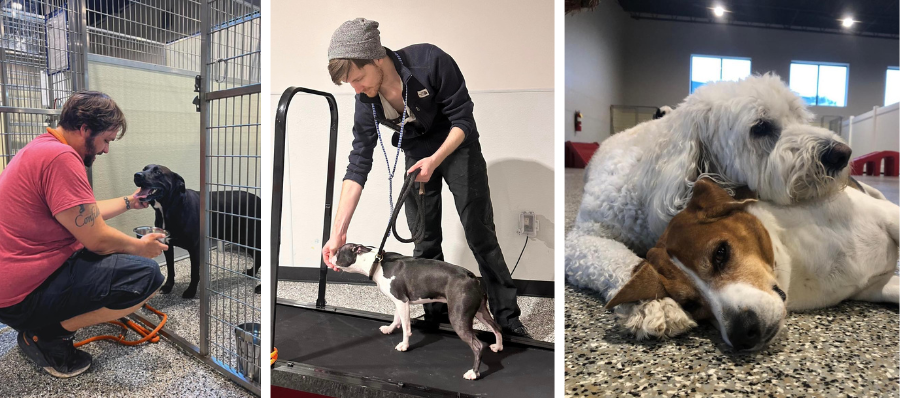
Operating Hours and Overnight Stay
During operational hours, dog daycare facilities provide daytime care for dogs, while dog boarding services offer overnight accommodations for extended stays. Dog daycare benefits include socialization opportunities, exercise https://starlux.petuniverse.com/dog-hotel/, and mental stimulation for pets while their owners are at work or engaged elsewhere during the day. This service allows dogs the freedom to interact with other dogs in a safe and supervised environment, promoting healthy behavior and reducing separation anxiety.
On the other hand, dog boarding accommodations cater to pet owners needing overnight care for their furry companions when they are away for an extended period. Boarding facilities ensure that dogs are well taken care of, providing food, exercise, and attention in a secure setting. Dogs at boarding facilities enjoy the freedom of around-the-clock care and monitoring, giving pet owners peace of mind while they are away.
Socialization Opportunities and Interaction
Engaging in socialization and interaction is a key aspect that distinguishes dog daycare from dog boarding services. Dog daycare facilities typically offer structured playtime schedules where dogs can interact with other dogs under supervision. This provides a valuable opportunity for dogs to socialize, exercise, and engage in playful activities, contributing to their overall well-being.
Moreover, dog daycares often conduct behavior assessments to ensure that dogs are placed in appropriate playgroups based on their temperament, energy levels, and play styles. This helps create a safe and harmonious environment where dogs can interact positively with one another.
On the other hand, dog boarding services may offer limited socialization opportunities, focusing more on providing basic care and accommodation for dogs during their stay. While boarding facilities may offer some playtime, the level of interaction and socialization is typically not as extensive as in a dedicated dog daycare setting.
Supervision and Staffing Ratios
One must consider the variance in supervision and staffing ratios between dog daycare and dog boarding facilities when evaluating their differences. In a dog daycare setting, dogs are typically supervised more closely due to the higher staff-to-dog ratio. This means that there are more opportunities for immediate intervention if any issues arise, promoting a safer environment. Dog daycare facilities often have structured activities and play sessions that require adequate staffing levels to ensure the safety of all dogs involved.
On the other hand, dog boarding facilities may have lower staffing ratios, especially during off-peak hours or overnight. While dogs are still supervised, the level of oversight may not be as intense as in a daycare setting. Boarding facilities usually have safety protocols in place to monitor the dogs effectively, even with fewer staff members present. It’s essential for pet owners to consider the supervision and staffing ratios offered by each type of facility to make an informed decision based on their dog’s needs and behavior.

Facilities and Amenities Provided
The facilities and amenities provided at dog daycare and dog boarding establishments play a crucial role in determining the overall experience for dogs and their owners. Dog daycare facilities typically offer spacious play areas where dogs can socialize, exercise, and have fun under supervision. These play areas are designed to cater to different sizes and energy levels of dogs, ensuring a safe and enjoyable environment for all furry guests.
In contrast, dog boarding facilities may also provide play areas but focus more on individual or small group play sessions to accommodate the needs of each dog. Additionally, grooming services are often available at both daycare and boarding facilities. These services can include baths, nail trims, and fur brushing to keep dogs clean and comfortable during their stay.
Whether opting for dog daycare or boarding, pet owners can expect a range of amenities aimed at keeping their furry companions happy and healthy while they are away. The availability of play areas and grooming services ensures that dogs receive the care and attention they need, making their time apart from owners stress-free and enjoyable.
Cost Comparison and Additional Services
Costs and available services vary between dog daycare and dog boarding facilities, impacting the overall value for pet owners seeking care for their furry companions. When considering pricing options, dog daycare typically charges by the day or offers packages for frequent visits, while dog boarding often has nightly rates. Some daycare facilities may provide discounts for multiple pets or extended stays, whereas boarding facilities may have special rates for long-term stays.
In terms of additional services, dog daycares may offer grooming services like baths or nail trims for an extra fee. On the other hand, dog boarding facilities might provide training sessions to improve behavior during the stay. Pet owners should carefully evaluate the cost and services offered by each type of facility to determine the best fit for their pet’s needs and their budget.
Whether seeking a fun day of play or a comfortable place to stay, both dog daycare and dog boarding have unique offerings that cater to the diverse needs of pets and their owners.
Conclusion
In conclusion, the differences between dog daycare and dog boarding lie in their operating hours, socialization opportunities, supervision levels, facilities, and costs.
Dog daycare offers daytime care and socialization, while dog boarding provides overnight stays.
Both options have varying levels of staff supervision and amenities.
Ultimately, pet owners should consider their dog’s needs, behavior, and preferences when choosing between dog daycare and dog boarding for their furry companions.
… Read More


